
Nail Disorder Treatment in Islamabad
Struggling with fungal nails, ingrown toenails, brittle nails, discoloration, or nail psoriasis? Dermalase in Islamabad, led by Dr. Shumaila Khan, offers accurate diagnosis and advanced, non-surgical nail disorder treatment to restore healthy, pain-free nails. Book your consultation today.

5k+ Satisfied Patients
Nail disorders — from fungal infections and brittle, splitting nails to painful ingrown toenails and nail psoriasis — are more than a cosmetic issue. They’re often the first visible sign of an underlying health problem, and left untreated, they can cause permanent nail damage. Dermalase Clinic, led by aesthetic physician Dr. Shumaila Khan together with a team of qualified dermatologists, offers accurate diagnosis and advanced, non-surgical nail disorder treatment in Islamabad. If you’re dealing with thickened, discolored, or painful nails, this guide covers everything you need to know before your visit.
Nail Disorder Treatment in Islamabad by Dermalase: Quick Answers Before You Book
Most people searching for this treatment already have a specific question in mind — here are the honest, direct answers before you read further:
| What patients usually want to know | Quick answer |
|---|---|
| What conditions does this actually treat? | Fungal nails, brittle/splitting nails, ingrown toenails, nail psoriasis, discoloration, paronychia, and other nail changes |
| How do you know what’s actually wrong with my nail? | A clinical/dermoscopic exam first — and a fungal test or culture when the cause isn’t obvious just by looking |
| How long does one visit take? | Usually 20–45 minutes, depending on which condition is being treated |
| Will I need time off work or school? | Little to none for most nail conditions — most people go straight back to their day |
| When will the pain or infection actually improve? | Often within days to a couple of weeks — much faster than the nail itself looks “normal” again |
| When will my nail look fully healthy again? | Fingernails: roughly 3–6 months. Toenails: up to a year or more. Nails simply grow slowly, no treatment speeds that up |
| Who’s actually treating me? | Dr. Shumaila Khan (MBBS; PG Dip. Dermatology, Cardiff University, Wales UK; Dip. Aesthetic Medicine, AAAM USA) and the Dermalase dermatology team |
| What will it cost me? | Starts from PKR ___ – PKR ___, confirmed once your specific condition is examined at consultation |
What Is a Nail Disorder?
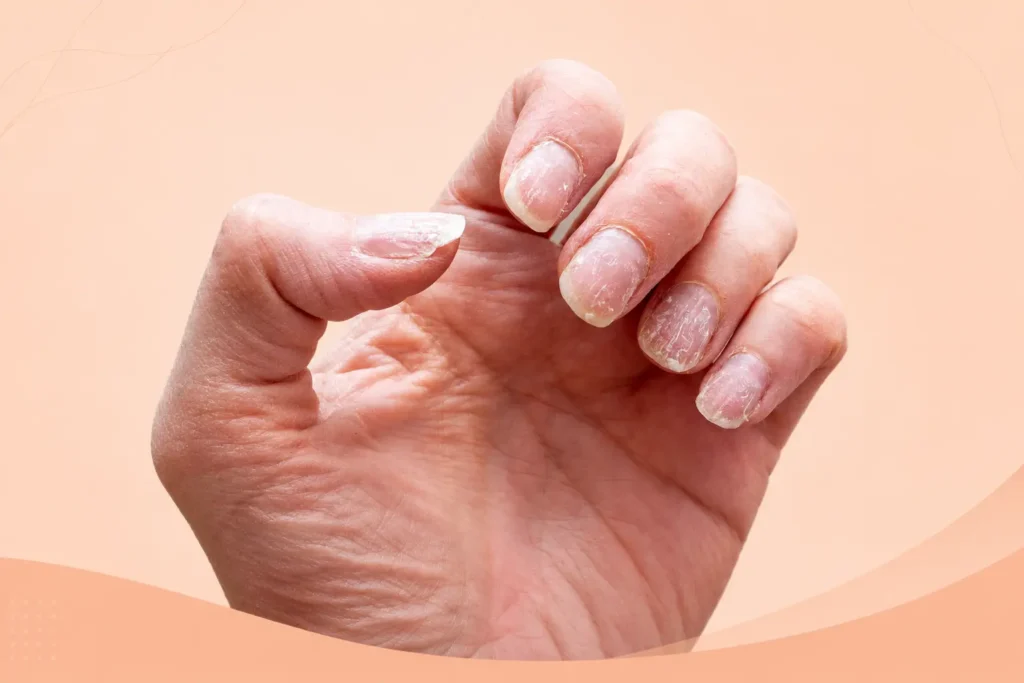
A nail disorder is any change in the normal color, shape, thickness, or texture of a fingernail or toenail. Healthy nails are smooth, evenly pink, and free of ridges or discoloration — so any deviation from this can signal infection, nutritional deficiency, skin disease, or even an internal health condition.
Common nail disorders include:
- Fungal nail infection (onychomycosis) — thickened, yellow-brown, crumbly nails caused by fungal overgrowth.
- Brittle nails (onychoschizia) — nails that split, peel, or break easily, often from over-exposure to water, chemicals, or nutritional gaps.
- Ingrown nails (onychocryptosis) — the nail edge grows into the surrounding skin, causing pain, swelling, and sometimes infection.
- Paronychia — a painful bacterial or fungal infection of the skin fold around the nail.
- Nail psoriasis — pitting, thickening, and separation of the nail linked to an underlying autoimmune skin condition.
- Beau’s lines — horizontal grooves that appear after illness, injury, or a temporary halt in nail growth.
- Leukonychia (white spots/lines) — usually from minor trauma or mild zinc/calcium deficiency.
- Onycholysis and discoloration — the nail separating from the nail bed, often paired with yellow, green, or dark discoloration.
- Clubbing — curved, enlarged nails that can point to an underlying heart or lung condition.
- Melanonychia (dark nail streaks) — a dark band or spot on the nail that should always be checked by a dermatologist to rule out anything serious.
At Dermalase, every case starts with a proper examination rather than guesswork, since several of these conditions can look similar but need very different treatment.
Benefits of Professional Nail Disorder Treatment
- Accurate diagnosis instead of guesswork — a dermatologist can tell the difference between, say, fungal infection and nail psoriasis, which look alike but are treated completely differently.
- Faster, more reliable results than over-the-counter creams or home remedies, especially for stubborn fungal infections.
- Pain relief for ingrown and infected nails, often within days of treatment.
- Prevents long-term damage — untreated nail disorders can permanently deform the nail bed or spread infection.
- Catches warning signs early — some nail changes (like unexplained dark streaks or clubbing) can point to conditions well beyond the nail itself.
- Personalized treatment plans based on your specific nail condition, lifestyle, and any underlying health factors.
Who Is an Ideal Candidate for Nail Disorder Treatment?
You’re likely a good candidate for a nail disorder consultation at Dermalase if you notice:
- Nails that are thickened, crumbling, or discolored (yellow, white, green, or black)
- Persistent pain, redness, or swelling around a nail
- A nail lifting or separating from the nail bed
- Recurring or slow-healing fungal infections
- Ridges, pitting, or grooves that don’t go away on their own
- An ingrown toenail that keeps coming back
This treatment is suitable for teenagers, adults, and seniors alike. It’s not a substitute for emergency care — if there’s heavy bleeding, spreading infection with fever, or a nail injury from a crush accident, that needs urgent medical attention first, not a routine dermatology appointment. Similarly, if you have diabetes or poor circulation, mention this at your consultation, since nail care needs extra caution in these cases.
How Nail Disorder Treatment Works at Dermalase
1. Consultation and diagnosis Your visit starts with a detailed examination of the affected nail(s). Dr. Shumaila Khan or a member of the dermatology team will ask about your symptoms, how long you’ve had them, your footwear and hygiene habits, and any relevant medical history. Depending on the case, this may include a close visual/dermoscopic examination, and where needed, a sample may be taken to confirm a fungal or bacterial cause before starting treatment — this step matters, because treating the wrong condition wastes time and money.
2. Building a treatment plan Once the cause is clear, a plan is created around your specific condition. This might combine:
- Laser therapy for stubborn fungal nail infections
- Topical or oral antifungal/antibacterial medication, prescribed based on the severity of the infection
- Nail strengthening therapy — vitamin-enriched serums and moisturizing protocols for brittle or weak nails
- Non-surgical correction for ingrown nails, including gentle nail trimming techniques and, in more stubborn cases, minor in-clinic procedures
- Nutritional guidance — biotin, zinc, and protein recommendations where a deficiency is contributing to the problem
3. The procedure Most in-clinic steps are quick — typically 20 to 45 minutes — and are performed in a clean, controlled setting. Laser sessions are generally painless with no real downtime; procedures for ingrown nails may involve local anesthesia for comfort.
4. Aftercare and recovery You’ll be given simple, clear aftercare instructions — usually around keeping the area clean and dry, avoiding tight footwear for a few days, and following any prescribed medication schedule. Because nails grow slowly (fingernails take around 3–6 months to fully regrow, toenails 12–18 months), full cosmetic improvement takes time even after the underlying problem is resolved. Follow-up visits help track progress and adjust treatment if needed.
Technology We Use at Dermalase Clinic Islamabad
Dermalase treats nail disorders using advanced laser technology alongside standard dermatological tools for diagnosis and minor procedures — including sterile instruments for nail correction, local anesthesia where needed, and prescription-strength topical and oral treatments. The exact approach (laser session, medication, or in-clinic correction) depends on which nail condition you’re being treated for, and will be explained clearly during your consultation.
What Treatment Options Are Available at Dermalase Islamabad?
Not every nail problem needs the same fix — Dermalase matches the treatment to the actual condition rather than offering one generic solution. Depending on your diagnosis, your plan may include:
- Laser therapy for fungal nail infections — targets and reduces fungal overgrowth in thickened, discolored nails without relying on oral medication alone. Usually painless, with no real downtime.
- Topical and oral antifungal/antibacterial medication — prescription-strength treatment for infections, dosed and combined based on how severe the nail condition is.
- Nail strengthening therapy — vitamin-enriched serums and moisturizing protocols aimed at brittle, splitting, or weak nails, to support healthier regrowth.
- Non-surgical correction for ingrown nails — gentle, guided nail-trimming technique and, for recurring or more stubborn cases, a minor in-clinic procedure to relieve pain and stop regrowth into the skin.
- Nutritional guidance — practical recommendations around biotin, zinc, and protein intake where a nutritional gap is part of what’s driving the nail problem.
- Ongoing monitoring for nail psoriasis and chronic conditions — since these are managed over time rather than “cured” in one visit, with the treatment plan adjusted at follow-ups as the nail responds.
Which combination is right for you depends entirely on the diagnosis — this is decided at your consultation, not before it.
Why Choose Dermalase for Nail Disorder Treatment in Islamabad?
- Led by Dr. Shumaila Khan — MBBS, Postgraduate Diploma in Dermatology (Cardiff University, Wales, UK), Diploma in Aesthetic Medicine (AAAM, USA), with 15+ years of clinical experience.
- A full team of qualified dermatologists, so cases are matched with the right expertise rather than a one-size-fits-all approach.
- Diagnosis-first approach — nail conditions are properly identified before treatment starts, not assumed.
- Advanced, non-surgical treatment options, including laser-based therapy for fungal infections.
- Personalized care plans for each nail condition, rather than a generic protocol.
- Clean, professional clinical setting with clear communication at every step.
Nail Disorder Treatment Price in Islamabad
The Price of Nail disorder treatment at Dermalase starts from PKR 1,000, and your exact cost will depend on:
- Which condition is being treated (fungal infection, ingrown nail, brittle nails, psoriasis, etc.)
- How many nails are affected
- The treatment method used (laser, medication, or in-clinic procedure)
- Number of sessions or follow-up visits required
Your exact price will be confirmed during your consultation, once the dermatologist has examined your nails and finalized a treatment plan.
How to Book an Appointment at Dermalase?
- Call or WhatsApp the clinic at (+92) 304-1110844 to check availability.
- Share your main concern briefly (e.g., “fungal toenail” or “painful ingrown nail”) so the front desk can guide you to the right appointment slot.
- Visit the clinic at A-103, Main Sumbal Road, F-10/1, Islamabad for your consultation.
- Get examined and receive your treatment plan, with costs and next steps explained clearly before you begin.
FAQs About Nail Disorder Treatment in Islamabad
Nail disorders can be caused by fungal or bacterial infections, nutritional deficiencies, skin conditions like psoriasis, injury, tight footwear, or underlying health issues. A dermatologist can pinpoint the exact cause through examination.
Fungal infections usually cause thickened, yellow-brown, crumbly nails, while conditions like nail psoriasis can look similar but involve pitting and skin symptoms elsewhere. Because they're often confused, a proper diagnosis at the clinic is the only reliable way to tell them apart.
Most treatments, including laser therapy, are minimally uncomfortable. Procedures involving ingrown nails may use local anesthesia, so any discomfort is well-managed during the session.
Nails grow slowly, so while inflammation, pain, or infection often improve within days to weeks, a fully clear, new nail can take 3–6 months for fingernails and up to a year or more for toenails.
Yes, especially fungal infections and ingrown nails, if the underlying cause (footwear, hygiene, nail-trimming habits) isn't addressed. Following aftercare advice significantly lowers the chance of recurrence.
Home remedies may offer mild, temporary relief for very minor cases, but they usually don't fully clear a fungal infection or correct a recurring ingrown nail. Professional treatment addresses the root cause rather than just the surface symptom.
Diabetics are more prone to nail and foot infections and should always mention their condition at the consultation, since nail care needs extra precautions. Treatment can still be done safely under proper medical supervision.
Most treatments carry minimal risk. Mild redness, soreness, or temporary sensitivity around the nail is possible after in-clinic procedures. Serious complications are uncommon when treatment is performed and followed up correctly.
Anyone with an active, severe infection with fever or spreading redness should seek urgent medical attention rather than a routine dermatology visit. People with known allergies to anesthetics or specific medications should disclose this beforehand.
This depends on your individual insurance policy and whether the treatment is classified as medical versus cosmetic. It's best to check directly with your provider and ask the clinic for documentation if needed.
Nail polish can sometimes mask early signs of infection or hide progress, so it's best to check with your dermatologist about when it's safe to resume nail polish or artificial nails during treatment.
A dermatologist diagnoses and treats the underlying medical cause of a nail problem, using prescription medication, laser therapy, or minor procedures where needed. A salon service is cosmetic and isn't equipped to treat infections, psoriasis, or recurring ingrown nails.
Yes, for most conditions. Follow-ups let the dermatologist confirm the infection has cleared, monitor healthy nail regrowth, and catch any recurrence early.
An unexplained dark line or spot on the nail (melanonychia) should always be examined by a dermatologist, since — while often harmless — it can occasionally be an early sign of something more serious that's easier to manage when caught early.